


Catching Up with 2026 Nonfiction Prize Winner L.C. Killingsworth
October 20, 2026 | Uncategorized
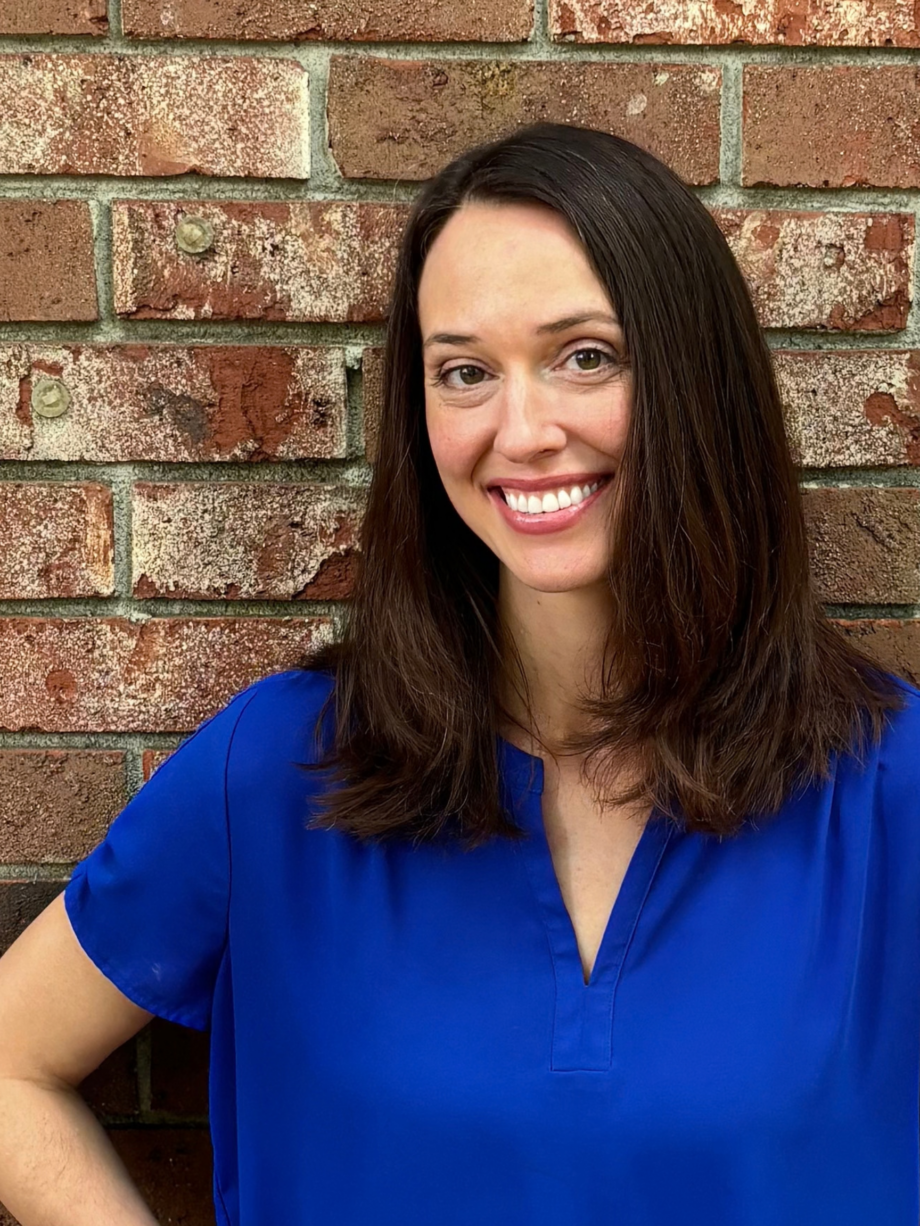
L.C. Killingsworth is a memoirist and screenwriter who likes to write about sad things that are funny (and funny things that are sad). Her essays can be found in places like River Teeth, and her screenplays have won various awards and recognitions, including the NRDC Climate Storytelling Fellowship. She is the co-host of Seersucker Live, a literary reading series based in Savannah, GA.
SP: The COVID pandemic plays a significant role in “Everything’s Fine at the Greenbrier!” How did the COVID pandemic and its consequences affect the creative process for you overall?
LCK: COVID did two things: first, it made it completely impossible to write. And second, it made it completely necessary to write. Which is kind of a sanity-shattering tension to live with, but I suppose, in the end, one that turned out to be productive in a way.
At the time, my husband and I found ourselves parenting two young, pretty high-needs kids 24/7, without any help—one of them still nursing, and so physically attached to me for much of the day—while I was also working a full-time job remotely. So we both felt pretty lucky if we got to do something like take a shower, or eat an entire meal sitting down, or sleep more than two hours in a row. It was just as hard on my older daughter, who had her whole life ripped out from under her. Kids are not supposed to be raised this way. This situation felt like an emergency to me. It was untenable.
But there was tremendous pressure to keep logging into Zoom like everything was fine—like we were all just happily baking sourdough or whatever, and not losing our minds. After all, we were lucky in many ways. Many people faced far worse than we did. But still, I felt a really deep, welling need to express this particular pain, to talk about the injuries this isolation was inflicting on my family. I hadn’t been writing much for about a decade at that point, but suddenly I felt absolutely compelled to write again. And so I ended up doing crazy things, like tapping out anonymous blog posts on my phone in a pitch-black room while my baby slept on top of me, to deal with this urge to write. Of course, none of this writing was very good, but it felt good to do.
But when the pandemic began to subside, and my kids got older, all of this creative energy I had pent up during lockdown finally came flooding out. And that’s when this essay got written.
SP: What is your revision process like? Did you originally write the piece chronologically and pull out the opening scene from Sunday?
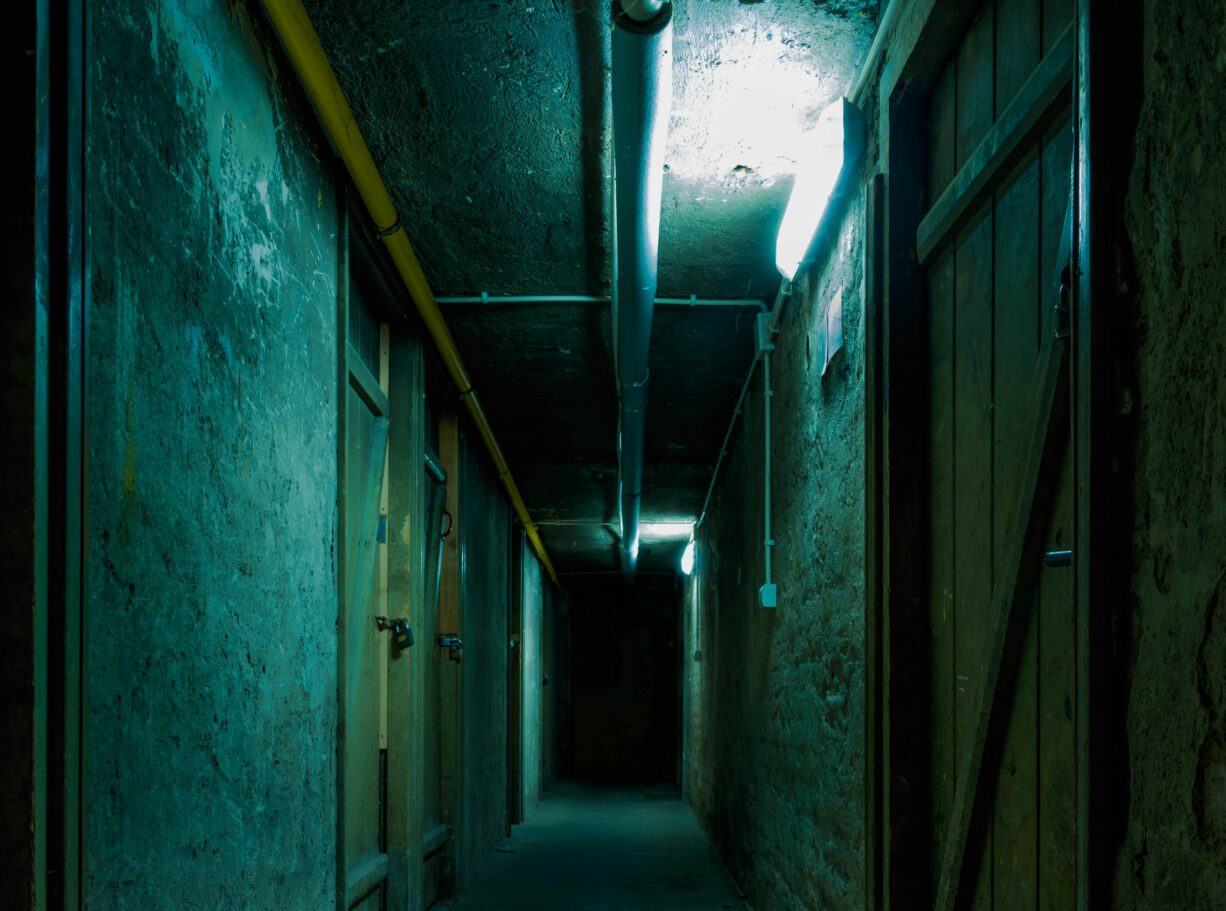
LCK: I actually did not write the piece chronologically! It always started on Sunday, with that scene in the bunker, because I wanted readers to understand from the jump that this essay is not a travelogue. It’s a story about an unbalanced woman grappling with something dark. It just happens to take place at a famous hotel.
But the revision process on this essay was interesting, and a little backwards from what revision typically is. Usually, when you revise, you try to cut things down to their essence. But in this case, the essence of what I was trying to say was really in the accumulation of things, in the lots of little moments and memories and realizations that pop up during an experience like this, and condensing them flattened all the meaning out of the story. So instead of trimming things, I just kept adding more and more. It took me a year to write it.
I’m really grateful to my husband, Gino, who is my best editor (and who was also there, and so was able to offer his own memories) for encouraging me to continue expanding this until it was its true size. It’s risky as a writer, and a little scary, to take up this kind of space. 8,000 words is a lot. I kept worrying I was keeping the reader too long. But the truth is, the more I added, the faster it felt to read. It got more fun, more meaningful, more interesting.
SP: Three years out from this experience, what are your daughters’ memories/recollections about the trip?
LCK: My younger daughter, who was four in the essay but is seven now, insisted on writing down her memories for you herself: “I remember playing the piano randomly while my sister did cartwheels. And seeing my dad get splashed with the toilet. And sleeping on a big, bouncy, soft bed. And staying in a big, fancy room. I loved wearing fancy dresses to the lobby, which had a guitar playing and mini cupcakes. And it had tea. We rode a bus to a restaurant where I had grilled cheese. Then [I] went to a fairy house. I got a fairy wedding figurine. I LOVED the trip!!!!”
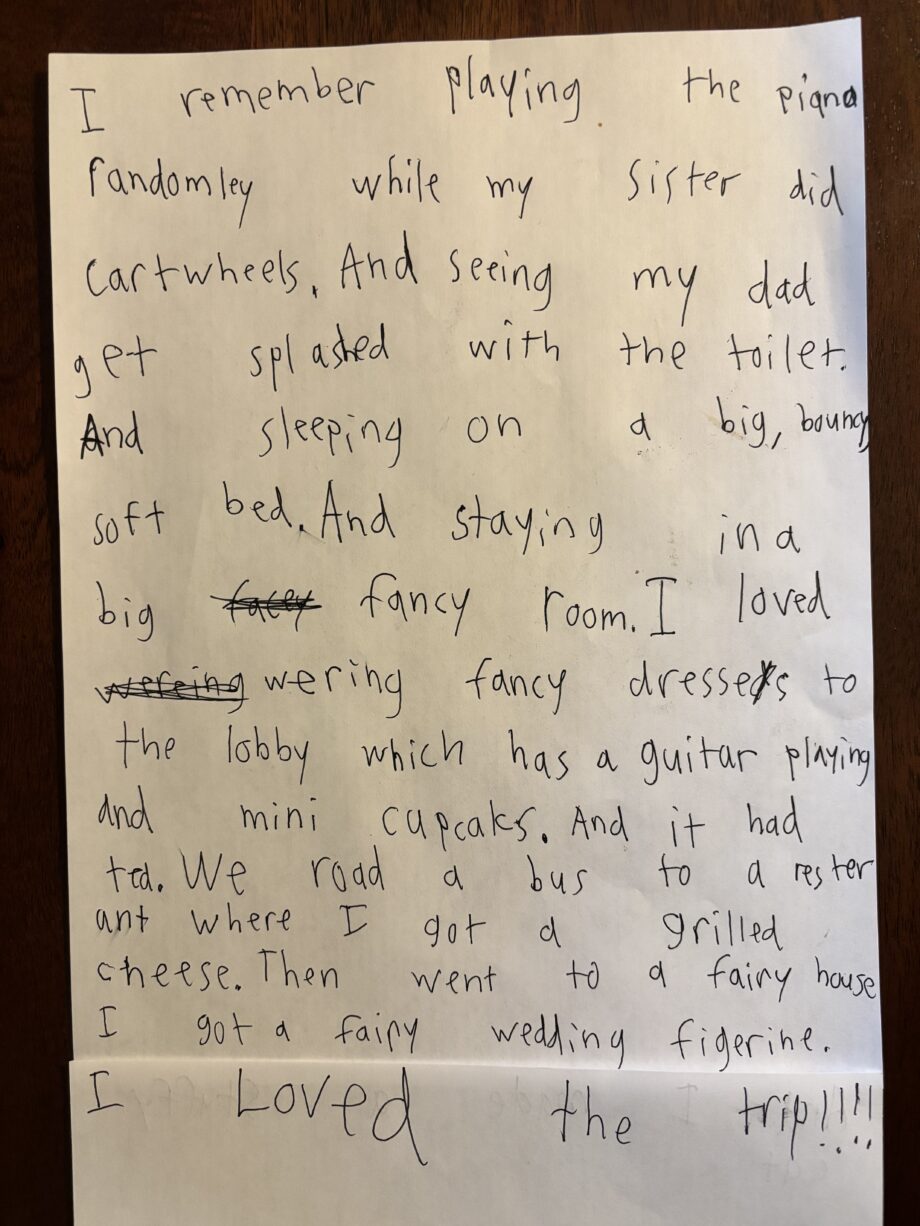
What’s hilarious about this is, my daughters both remember pretty much exactly all the same things I do—the decor, the cartwheeling, the teatime in the lobby, the bidet incident—but their interpretation of these memories is the exact opposite: they thought it was all awesome.
SP: There are many instances of capitalization and proper nouns in this piece, such as “Very Historic,” “The Cousins,” “Potty Freakout,” and “Having Fun.” How do you decide what becomes a proper noun?
LCK: The honest answer is, it’s instinctive. A word might just not look right as a common noun, or it doesn’t quite say what I want, but then, when I capitalize it, it does. I have kind of a manic, over-the-top voice as a writer, and I love using all the tools at my disposal—capitalization, italics, fragments, parentheticals, weird fonts, etc.—to add the right flavor to a phrase.
If I were to go back and analyze the reasons behind the capitalization instinct, I think it’s slightly different for each instance, but it’s usually about creating a separation between the technical meaning of the words and the meaning of the words as I am using them. Or, put another way, it adds distance between me and the phrase. With “Very Historic”, I’m hinting to the reader that I’m speaking from the tour guide’s point of view, or in the voice of The Greenbrier’s marketing copy, rather than with my own voice.
When I talk about people Having Fun, I’m trying to tell the reader that I don’t really know what fun is. I capitalize it the way you might capitalize the title of a chapter in an alien textbook. “Chapter 4: Humans Having Fun.” I’m putting distance between myself and the concept of fun.
With the Potty Freakout, I’m trying to tell the reader that this was a specific phenomenon that is unique to my family, and that took up an outsize space in our lives. It was not a potty-training-related tantrum the way that other families might experience. It was a really particular, repeated event in my family, and it has a name.
With “The Adults” and “The Cousins,” it was a little more practical. I’m just making it clear that these are the names of generations, not descriptions. For example, Gino is an adult, but he’s not one of The Adults. The Kids are technically all cousins, but they’re not The Cousins.
SP: What was the decision behind bookending the piece with a frenzy around the valet/bellhop?
LCK: The simplest answer is, these interactions are just how you enter and leave a hotel, and my family happens to be hilariously bad at navigating them. But also, these scenes are a lighthearted way to show some of the effects of isolation on us. We’d been on our own for so long at that point that we had no muscle memory for how to do even the most basic human things, like arrive at a hotel. Or leave one. It’s really funny and also pretty sad.
SP: As both an essayist and a screenwriter, where do you draw the line between lived experience and fictionalized reality?
LCK: This is another instinctive one; a story tells you how to tell it.
Or sometimes, the interestingness and truthfulness of a story depends on knowing that it really happened, and on being curious about the experience of the person that it happened to. I think that’s the case with what happened to me at The Greenbrier; it wouldn’t work as fiction. It would come off as kind of dull or plotless in that context.
But sometimes, the interestingness and truthfulness of a story comes from taking a question and pushing it to some extreme through inventing situations and people that drive it to its conclusion. That’s when you know it’s time to make stuff up.
Another question I might be asking myself is, what is the scarier way to tell this story? Whatever scares you, as a writer, is probably more interesting to a reader. In this case, writing this story as myself was very scary to me, because I have to admit a lot of things that don’t make me look good. But sometimes, it’s scarier to look at a tough question in its most extreme form, and that’s probably when I fictionalize.
SP: How do you balance creative work and parenting?
LCK: I don’t; my husband does most of the parenting these days. I feel very lucky about that. Though I love my kids and, of course, spend time with them, he is the one managing all the appointments, doing the homework, reading the endless app notifications from the school, feeding us all, tracking who needs what laundry done when, planning vacations and camps, etc. There’s absolutely no way I could manage all that, do my day job, and also write. I hear about people who pull it off and, frankly, they blow my mind. It’s very impressive. I could not. I owe Gino a lot.
SP: Will “Everything’s Fine at the Greenbrier!” be featured in your forthcoming memoir?
LCK: Yes, it will! Watch this space! (Or, better, sign up for my newsletter, and I’ll be sure to let you know when the book comes out.)
Submissions for the swamp pink Nonfiction Prize open on January 1st and will close January 31st.
Submit your work here.
With a $20 entry fee, writers may submit up to 25 pages of nonfiction. Winners receive $2,000 and publication. All entries will be considered for publication, and more than one story may be entered.
Before you submit, please remove your name and any other identifying information from your manuscript. Simultaneous submissions are okay, as long as you contact us should the work be accepted elsewhere.