


An Interview with Kim Samek
February 19, 2026 | blog, Interviews, news
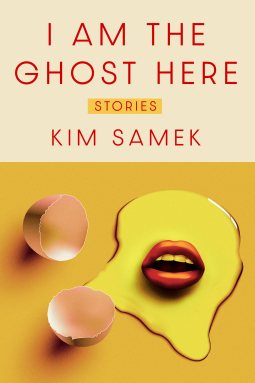
Kim Samuel’s debut short story collection I AM THE GHOST HERE (Dial Press, 2026) has been named a most anticipated book by Lit Hub, The Seattle Times, The Millions, and Debutiful. This collection of surrealist stories revolves around issues such as environmental concerns, waste, the integration of technology into our lives, identity, and how these things impact relationships. It was my (Allie McCoy, MFA ’27) pleasure to interview Kim Samek about her collection.
Can you talk about where your creativity comes from?
I developed a sense of humor growing up with two cultures and languages. My mother grew up in Thailand and spoke to me primarily in Thai while my father was born in the United States. There were often misunderstandings. Luckily, they share a sense of humor. Being bi-racial has allowed me to straddle identities from a young age. I could always feel like an outsider and observer. I wrote my first story when I was five or six. I can’t remember a time that I didn’t see myself as a writer.
I think that as an adult, my stories come from a desire to understand why people collectively behave the way that they do and to explore the dissonance between what we say we want and what we do.
What draws you to surrealist fiction?
I love surrealist fiction because it is possible to capture an emotional truth that is harder for me to render in realism, particularly with political work. There’s a disorienting mood I want to capture—feeling that the rug has been pulled out from under us. Why are we, as a society, making choices that seemed unimaginable ten to twenty years ago? How did we get here? I wanted to capture the feeling of surprise, confusion, and alienation that many of us have recently felt.
I’m particularly drawn to it now, but my interest dates back to high school when I read a lot of Kafka, Camus, Sartre and others. As a German Literature major, I also spent years studying the literature that sprang up in strange times, particular around the World Wars and during the Cold War that left a city divided. Real life sounds like fiction when a basic sense of humanity is lacking.
Almost if not all of your pieces in the collection include some sort of futuristic technology. What connection do you see between fiction writing and technology today and in the future?
There are few experiences in my life that aren’t filtered by technology, so I end up writing about it naturally. Technology is not science-fiction or fantasy—it is the present. We’ve had miniature computers in our hands for at least fifteen years.
There was a time when technology could be separated from the immediate experience of life—you used to sit down at a computer for an hour a day perhaps, but both are more intertwined now, and because I am interested in writing fiction that interrogates the concerns of the present, technology intrigues me.
Those are my intellectual reasons. My personal reasons are that I was online a lot during the pandemic while isolating. When I wrote this book, I had lost the communities I had relied upon. I started to think of human connection as a process that was filtered directly by technology. “Muscle to Muscle, Toe to Toe” is directly inspired by that experience. I liked the idea of finding community in others who had been shown the same videos by an algorithm that had grouped them together. I enjoyed inverting the role of tech—this story describes a moment in which human interactions are now byproducts of apps doing what they do to make money.
While there are extensive uses of technology in these stories, I found the emotional focus to be on close familial and interpersonal relationships. Can you talk about the connection between these two subjects of your writing?
I probably write about family for the same reason I write about technology; it’s part of the fabric of my life. I was shaped by the family I grew up with, the friendships I’ve made with people I consider to be my family, and my family now. Despite using surrealism, I try to write representational fiction that feels of this moment.
Also, I am very interested in writing about identity, and family dynamics tend to lend themselves well to stories about identity.
From a craft perspective, I can cover more emotional ground in a few thousand words by focusing on families or relationships that are already experiencing friction.
Multiple stories center around garbage and waste both in the physical and technological sense. As an environmental writer, how do you balance comedy and the absurd with the urgency of the climate crisis?
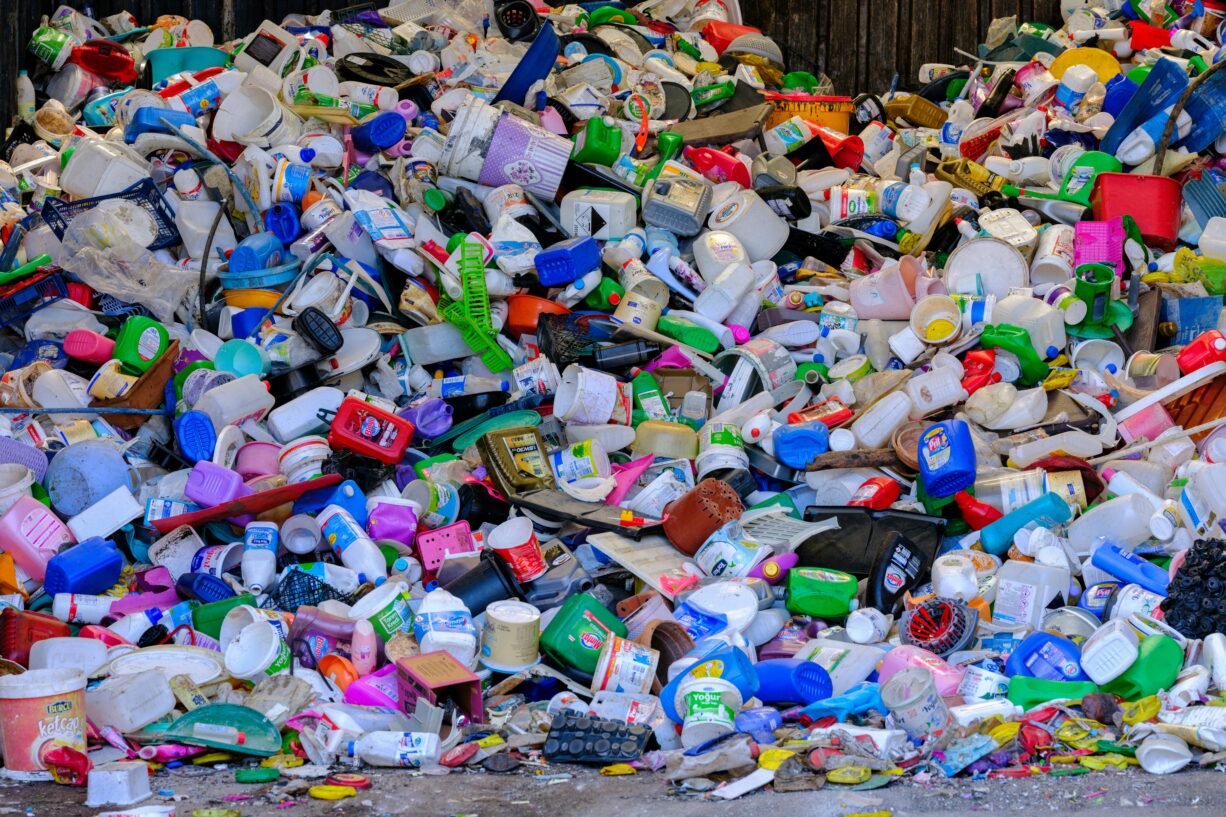
Great question. I have more stories about waste that I haven’t yet published. It’s a topic that continues to preoccupy me. The environmental impacts of waste are concerning.
Some of the garbage is shipped across the world and is often discarded in the global south. Another thing that I find funny is the idea of Kondo-ing your stuff. You can reduce clutter in your living room, but where does that stuff go? We have goals of living tidy lives, but on a global level, corporations wield the power.
The story “Everything Disappears When You’re Having Fun” features a poorly manufactured chair that causes pain. I wrote it after buying a mid-century office chair that hurt my back. I realized my options were to donate the chair and pass on the pain to an unsuspecting stranger or to throw it away in a landfill. My story explores the burden of purchasing such a chair, though in the story, I give the chair magical powers so that it reveals glimpses of ecological disasters. Once the characters return to their regular lives, they are consumed by the daily needs of their jobs and the search for connection and they are not considering melting icebergs. There’s humor in that. The climate crisis is a major existential threat, but even the most well-intentioned people have other priorities. People need to pay their bills, eat, sleep. I find that tension interesting.
It’s easier to engage with this topic through humor. Humor is something literature can offer a reader that social media can’t. As a reader, I enjoy the experience of reading absurdist work. It gives a reader an emotional entry point into the story by centering the oddness of what is happening and setting the reader back from it. This feels honest. It’s also a reprieve from the stream of bad news that hits all day on social media. It’s a way to both engage yet escape. People also need to feel hope and joy. Sometimes we forget that. Essentially, I wrote the book that I needed to read.
I think my favorite story of the collection was Egg Mother. What was your inspiration for the story? What drew you to compare motherhood and identity to scrambled eggs?
“Egg Mother” was one of the stories that came to me whole. I wanted to write about losing control, losing one’s body, about losing one’s health and being transformed into another object. It was inspired by “The Metamorphosis” by Kafka who was one of my favorite authors when I was younger. It was the second story I wrote and the first to be published.
Many of these pieces have been previously published, what was it like putting together a cohesive collection of both new and previously published stories?
I was very lucky to sign with an agent who had experience selling short story collections. She advised me to hold some back from publication because some houses would want new material in the book. This is the reason why half of the book contains unpublished stories, but they were written at the same time and were part of a cohesive work.
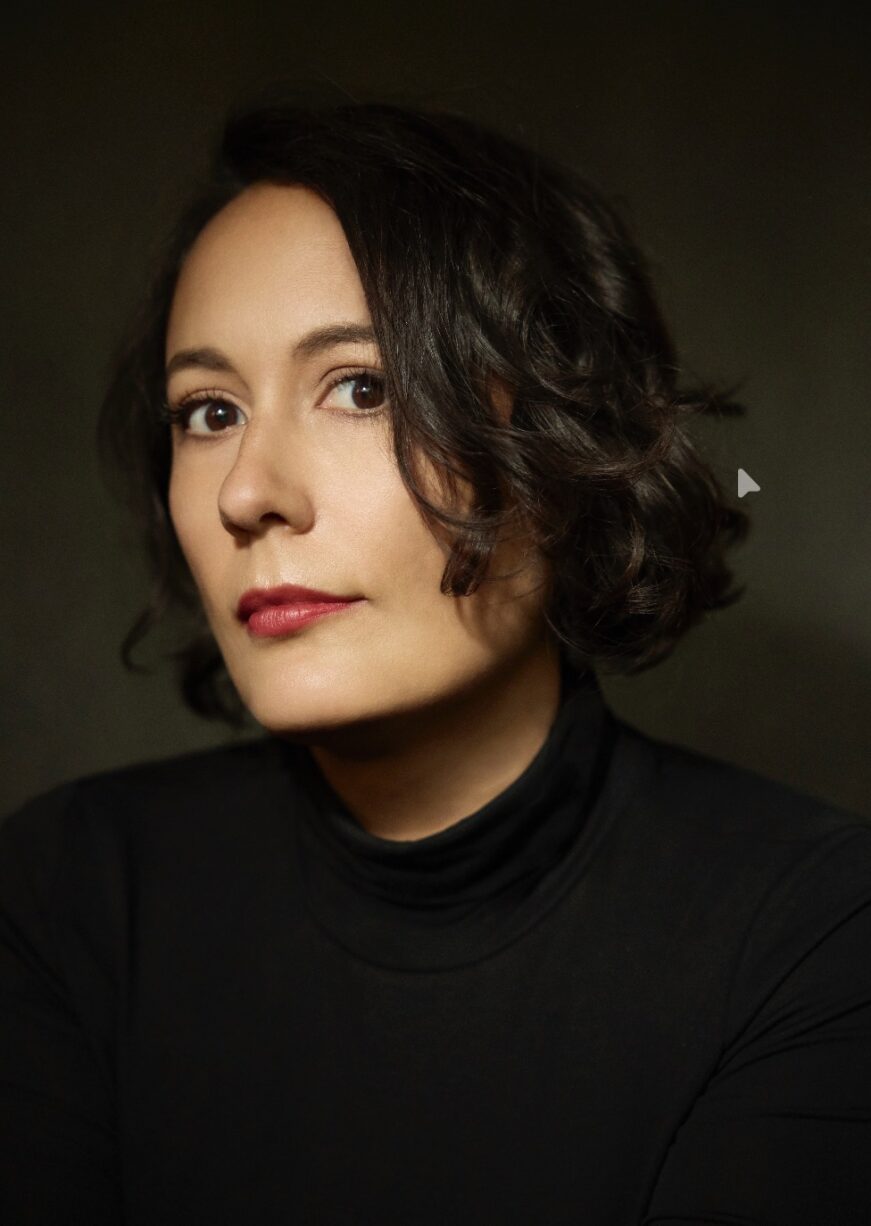
Kim Samek is an award-winning author whose work has garnered a Pushcart Prize (2026) and been cited as an Other Distinguished Story in Best American Short Stories (2025). Her debut short story collection I AM THE GHOST HERE (Dial Press, 2026) has been named a most anticipated book by Lit Hub, The Seattle Times, The Millions, and Debutiful. Her fiction appears in Guernica, Ecotone, Southern Humanities Review, Gulf Coast, Electric Literature, swamp pink, North American Review, Chicago Quarterly Review, The Threepenny Review, STORY, and ZYZZYVA. A native of Seattle, she studied creative writing and German Literature at Stanford University. She lives in Los Angeles
(photo credit Jesse Dittmar)